Residential Air Duct Cleaning
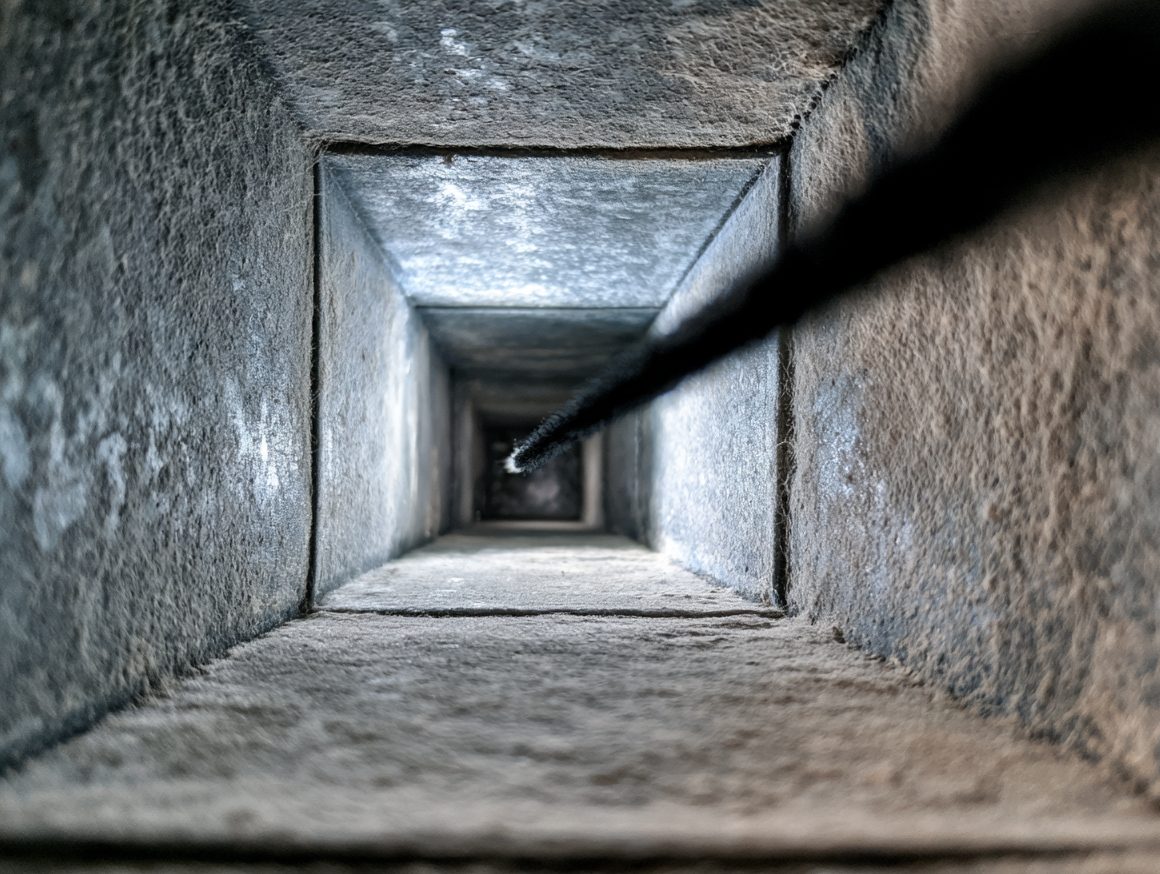
Your home's ductwork works harder than most people realize. Every time the heater or AC kicks on, air gets pulled through miles of channels that have been quietly collecting dust, pet hair, pollen, and skin cells since the day the system went in. Most homeowners never see any of it. It's all sealed behind walls and ceilings, but it's still moving through the same air your family breathes every day. Homes in older neighborhoods around San Rafael and Novato tend to have ductwork that's never been touched since the original build, sometimes decades of buildup in one system. We clean it out properly, with full negative-pressure extraction, not just a quick vacuum pass at the vent covers.
Below, we get into when a cleaning is actually worth scheduling, how different duct materials change our approach, what a full visit looks like start to finish, and how often this really needs to happen. If your dryer shares a laundry closet with your HVAC returns, it's worth having the dryer vent line checked at the same time. Lint and duct dust tend to travel together.
Signs You Need Residential Air Duct Cleaning
A few signs are hard to miss: visible dust kicking up around the vent covers, a layer of gray buildup on the grille itself, dust resettling on furniture within a day of cleaning it. Others are easier to overlook. If someone in the house has started sneezing more at home than anywhere else, or a room stays dusty no matter how often it's wiped down, the ductwork is a likely source. Homes that just went through a renovation are a special case, especially the older properties we see a lot of in Larkspur. Drywall dust and sawdust get pulled straight into the return vents during construction, even with plastic sheeting up, and that debris just sits there until it's cleaned out. If nobody can remember the last time the ducts were serviced, or the home came with unknown duct history from a previous owner, that's reason enough on its own to take a look.
Duct Material and Why It Changes the Approach
The material running through your walls changes how we clean it. Rigid sheet metal duct, the kind most common in older Marin homes, holds up well to repeated brushing and high-velocity extraction, and it can be cleaned over and over across the life of the house. Flexible duct, the ribbed plastic tubing often used in additions or crawl space runs, is more delicate. Aggressive brushing can tear the inner liner, so it usually needs gentler agitation, or if it's badly damaged or moldy, replacement instead of cleaning. Fiberglass duct board, sometimes used for return plenums, is porous enough that contamination can work into the material itself instead of just sitting on the surface. That changes what "clean" even means for that section. Most homes actually run a mix of two or three of these, depending on when different additions got built, so a single system can need more than one approach in the same afternoon. We figure out what's actually running through the walls before we touch anything. The wrong technique on the wrong material can do more harm than the dust ever did.
Our Residential Duct Cleaning Process
We start with a visual inspection, checking supply and return runs at accessible points to see what we're dealing with before any equipment gets set up. From there, we seal off the register openings and connect a negative-pressure vacuum to the main trunk line, so loosened debris gets pulled out of the house instead of just stirred around inside it. Each branch line gets agitated with rotary brushes or air whips to knock buildup loose from the interior walls, then pulled out through the vacuum. The furnace or air handler itself gets cleaned separately, along with the coil and blower compartment where a lot of buildup collects. That's usually the dirtiest part of the whole system, and the part most homeowners never think to ask about. A typical single-family home takes two to four hours from setup to final walkthrough, depending on how many supply runs and returns the system has. We finish by resealing every vent cover and walking you through the results so you can see the difference at the registers before we leave.
How Often Your Air Ducts Actually Need Cleaning
Honest answer: it depends on the household, not a fixed number on a calendar. A typical home without pets, smokers, or anyone with allergies can usually go three to five years between cleanings. That timeline shrinks fast with a shedding dog or cat in the house, a smoker, recent construction, or a family member dealing with asthma or chronic allergy symptoms, sometimes down to every one to two years. It's worth knowing what a real cleaning actually looks like, too. The industry has its share of low-price ads that amount to a quick spray of deodorizer and a five-minute vacuum at the vent covers. A proper job takes real time. It means sealing off the system and running actual extraction equipment, and you should be able to see the equipment and the debris it pulled out, not just take someone's word for it.
If musty odors stick around even after the ducts are clear, that smell is usually coming from deeper in the system than a standard cleaning reaches. That's where our HVAC cleaning service comes in.