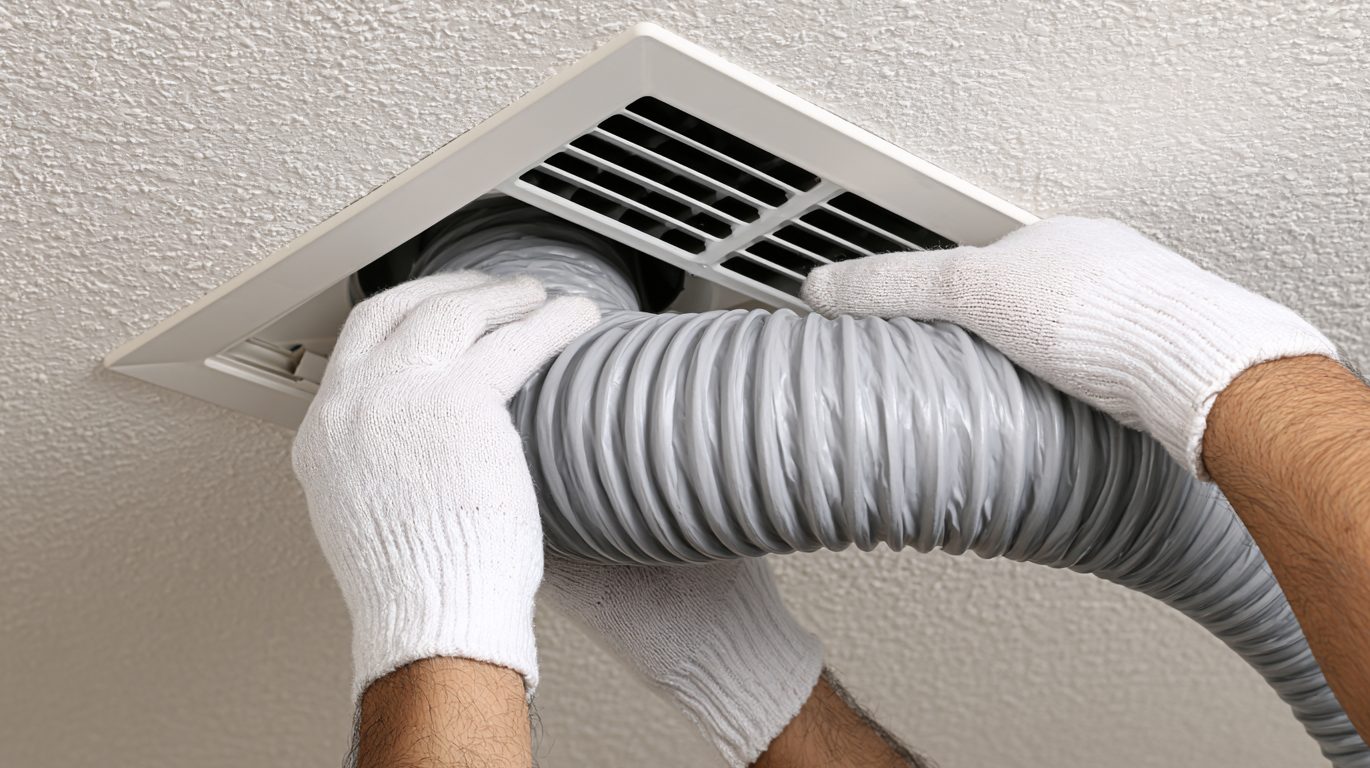
 Marin County Air Duct Cleaning
Marin County Air Duct Cleaning
Marin County Air Duct Cleaning
Dust, pet dander, and dryer lint build up in places your filter never reaches. We clear them out. Free quotes, and a local technician who shows up when we say.
Your heating and cooling system moves the same air through your house over and over. Every pass carries dust, pet dander, and pollen back through the ductwork, and a standard one inch filter catches only part of it. The rest settles inside the ducts. You don't see it, but you breathe it.
That buildup costs you in two ways. Airflow drops, so the system runs longer to hit the same number on your thermostat, and you pay for the extra runtime every month. The blower motor also works harder than it was built to, which shortens the life of equipment that isn't cheap to replace.
Dryer vents are the more urgent problem. Lint is highly flammable, and when it packs into the exhaust duct it traps heat right behind the dryer. Failure to clean the vent is the leading cause of dryer fires, responsible for about a third of them nationally. In older Marin homes, where the laundry hookup often sits in an interior closet with a long run out to an exterior wall, lint has more places to collect along the way.
Cleaning both is straightforward work. It takes a few hours, it doesn't require tearing anything apart, and it fixes problems you'd otherwise keep paying for.
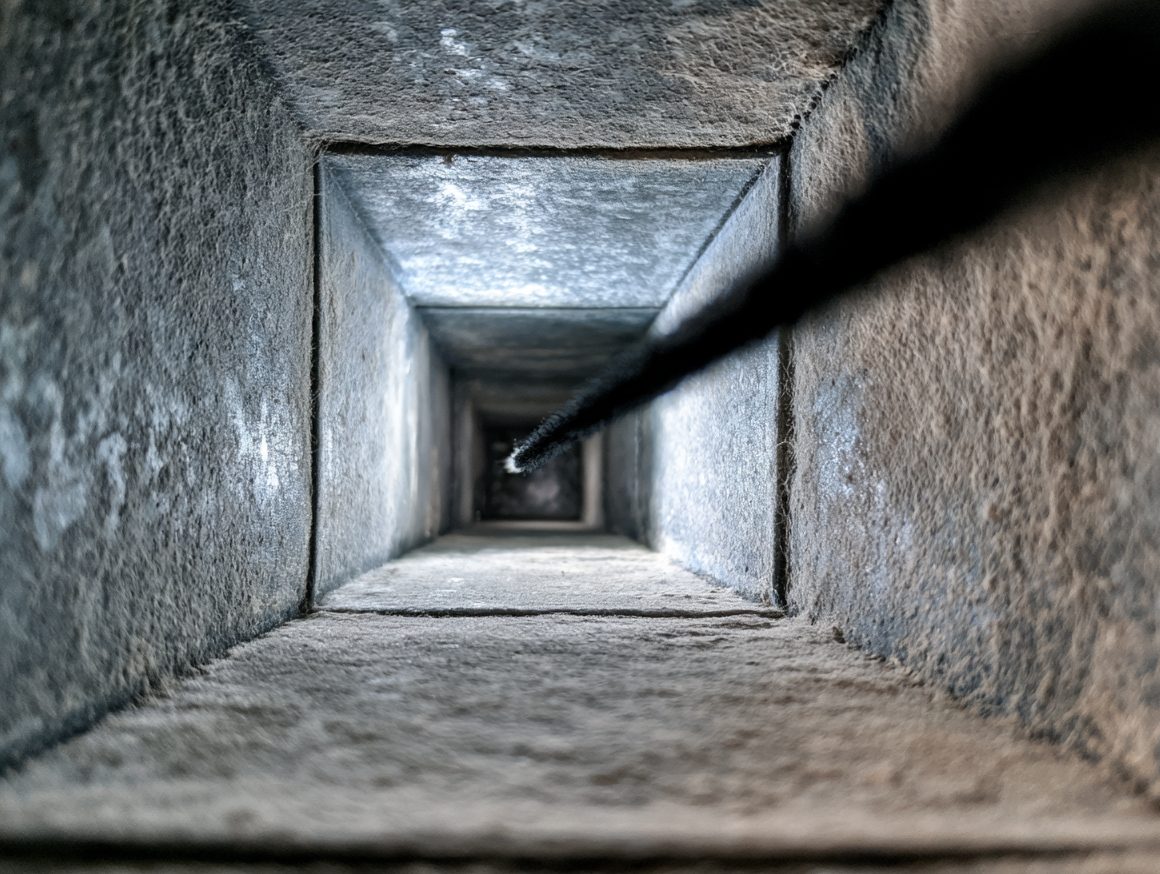
Most homes haven't had their ducts cleaned since the system went in. We run clean-capture vacuums and flexible brushes through the supply and return lines to pull out the dust, dander, and debris that's settled there over the years. You'll usually notice it first in how much less dusting you're doing a week later. If anyone in the house has allergies, that's where the difference shows up fastest.
Learn More →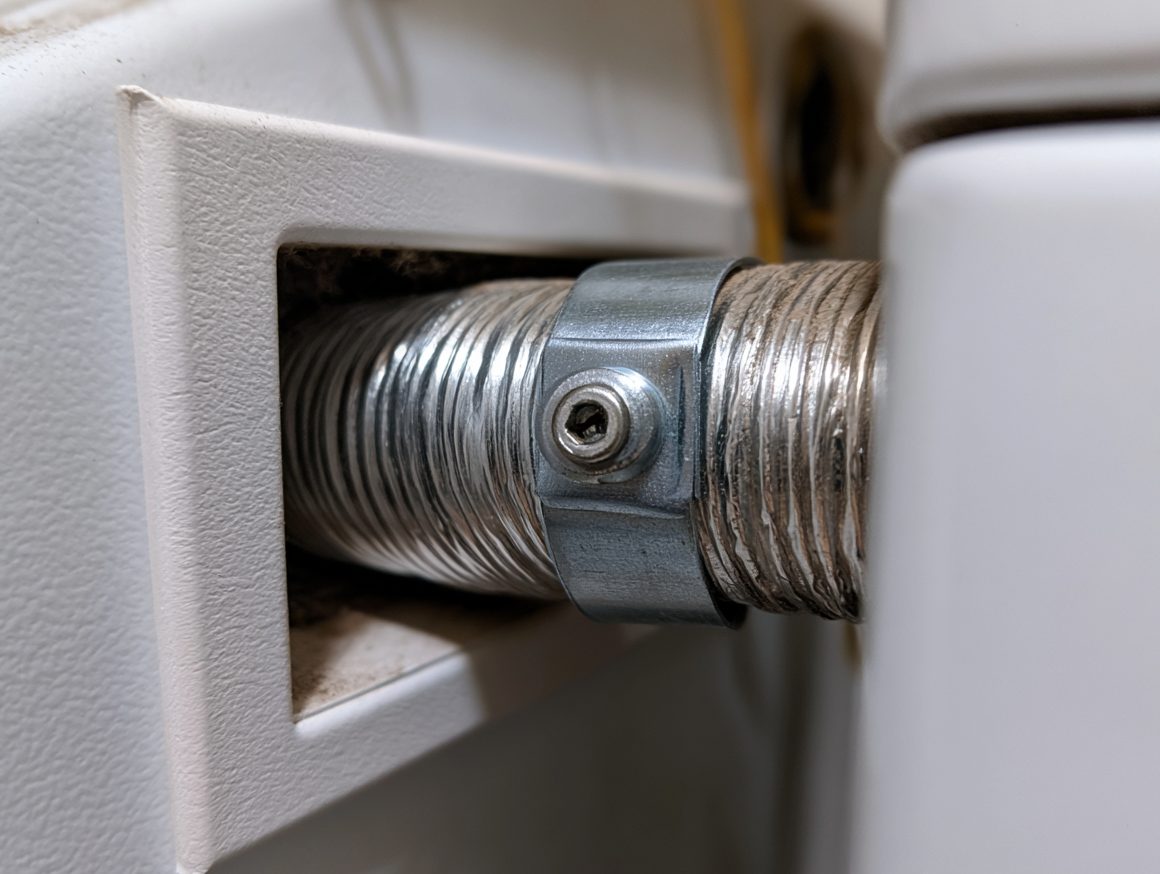
If your clothes need two cycles to dry, the vent is blocked. Packed lint is a real fire hazard, and it's also why your dryer runs twice as long as it should. We clear the full run from the back of the dryer out to the exterior vent hood, then check that the flap actually opens. Most homes need this once a year. Long runs and heavy laundry loads need it more often.
Learn More →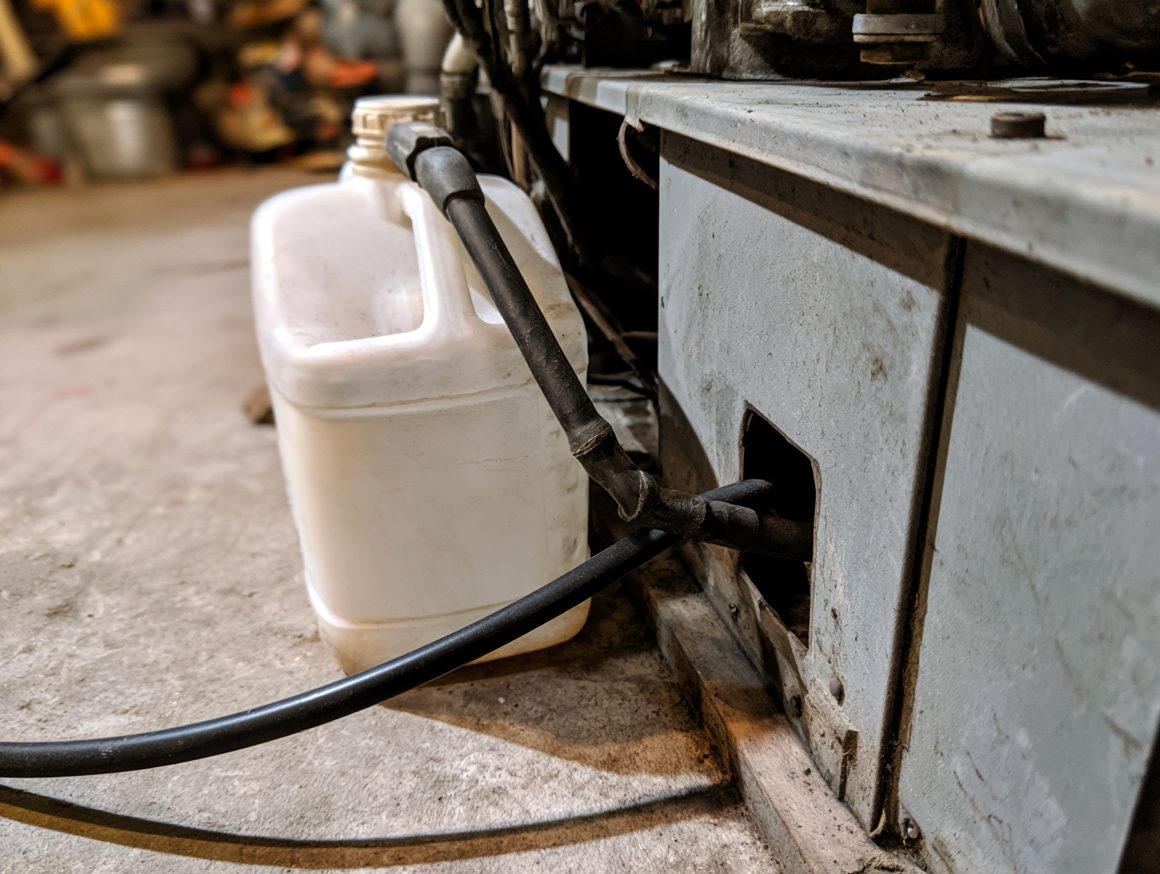
A musty smell every time the system kicks on usually means something is growing inside the ductwork or on the coil. We treat the lines with a sanitizer that's safe around kids and pets once it dries, which handles the odor at the source instead of covering it up. Marin's damp winters make this a more common call here than in drier parts of the state.
Learn More →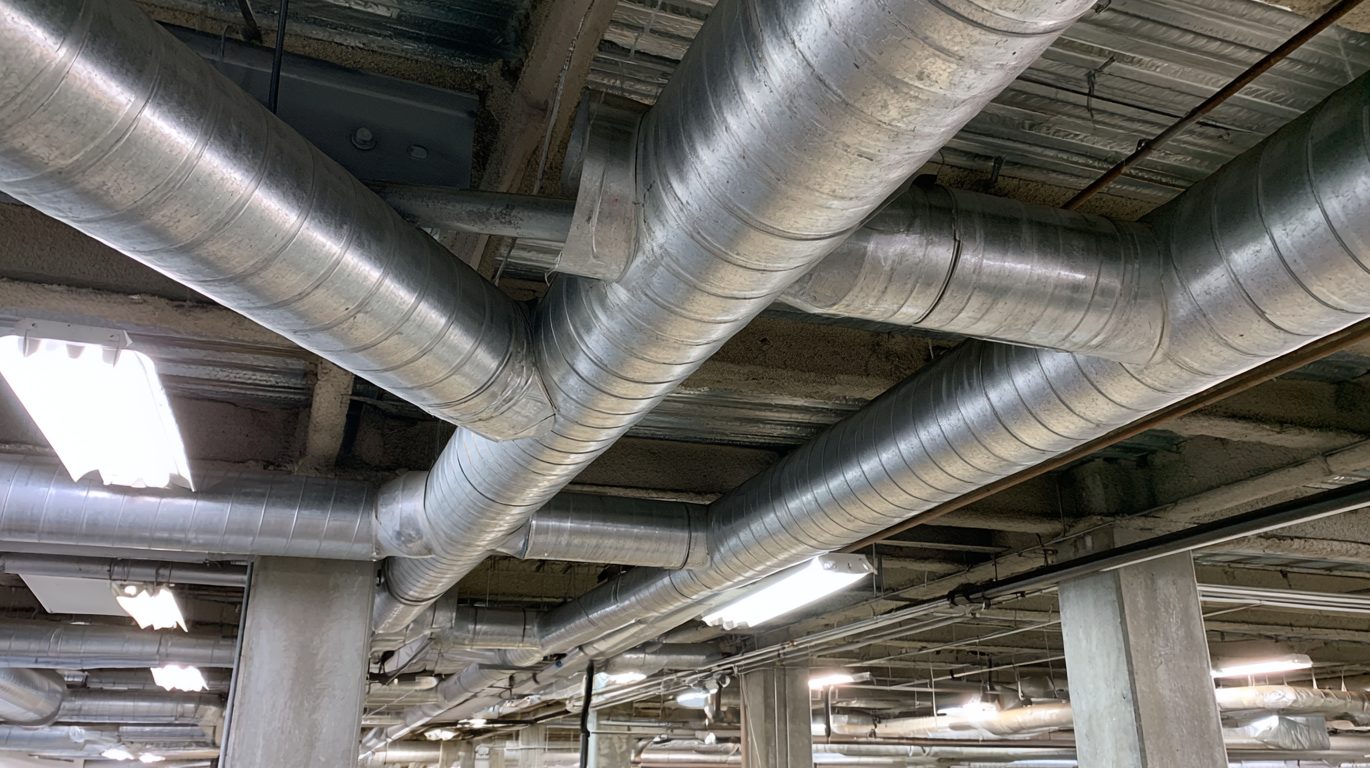
Offices, retail spaces, and small commercial buildings run their air systems far harder than a house does, so they load up faster. We schedule commercial work around your hours, including early mornings and weekends, so your staff and customers aren't working around equipment. Cleaner returns also mean less strain on rooftop units, which are the expensive ones to replace.
Learn More →Years of trapped dust, dander, and pollen come out of the ducts instead of circulating back into your rooms. Most people notice the difference in how often they're dusting within the first week.
A clogged duct system makes the blower run longer to reach the same thermostat setting. Clear the lines and the runtime drops, which shows up on the PG&E bill and takes strain off equipment you don't want to replace early.
Failure to clean the vent is the leading cause of dryer fires. Clearing the lint out is a couple of hours of work, once a year, and it takes the risk off the table.
A technician checks your supply registers, return vents, dryer exhaust run, and the area around the furnace to find where the buildup actually is. You get told what needs doing and what doesn't before any work starts.
A high volume collection unit connects to the main trunk line and holds the system under negative pressure. Everything that comes loose goes into a sealed container instead of into your house.
Flexible rotary brushes run the length of each duct and the dryer vent, scrubbing the interior walls to break loose packed dust, lint, and leftover construction debris. This is the part that does the actual work.
If odors are part of the problem, we apply a sanitizer that's safe around kids and pets once it dries. Then we test airflow at each register to confirm the whole system is moving air the way it should, and show you what came out.
We work in Marin full time, which means we usually know what we're walking into before we pull in the driveway. The 1950s and 1960s ranch houses across Novato and Terra Linda tend to have long horizontal duct runs under the floor that collect dust at every bend. Hillside homes in Mill Valley and Sausalito often have the laundry stacked well away from an exterior wall, which makes for a long dryer run with more elbows than the manufacturer had in mind. Older homes around Ross and San Anselmo sometimes still have sections of original ductwork that need to be handled gently rather than scrubbed hard.
Pricing is quoted before we start, not after. If we open the system up and the job turns out smaller than expected, the price comes down. We serve San Rafael, Novato, Mill Valley, Sausalito, Larkspur, San Anselmo, Corte Madera, Tiburon, Fairfax, and Ross.
Call for a free estimate. No obligation, and no pressure to book anything on the spot.
"Had a terrible dust problem after remodeling. Crew cleared the lines and the dust settled immediately."
— Charles Y., Novato"Cleaned out the dryer vent which hadn't been touched in years. Drying times cut in half."
— Monica B., Mill Valley"Professional, clean, and straightforward. Highly recommend this local service."
— Peter G., San RafaelAt least once per year to avoid structural fire hazards and maintain system efficiency. Homes with heavy laundry use or long vent runs may benefit from cleaning every six months.
Excessive dust buildup on furniture, visible dirt at register grilles, unexplained seasonal allergies indoors, or musty odors when the heating or cooling system kicks on.
Yes. New construction generates significant drywall dust, sawdust, and insulation fibers that settle inside ductwork during the build process. A professional cleaning after move-in removes this hidden debris and ensures the HVAC system runs at peak efficiency from day one.
Most residential cleanings are completed in two to four hours depending on the size of the home and number of vents. The technician will walk through the process before starting and answer any questions about the specific system.
Price depends on the number of supply and return vents, the size of the system, and whether the ducts have ever been cleaned before. We quote a flat number up front after looking at the system, so you know the price before any work starts. Be careful with anyone advertising a very low flat rate over the phone, since those quotes tend to climb once the technician is standing in your house.
Every three to five years is a reasonable interval for most Marin homes. Move that up if you have pets that shed, if someone in the house has asthma or allergies, if you've recently finished a remodel, or if the house sat vacant for a stretch. Dryer vents are a separate item and should be done annually regardless.
Fair question, and the honest answer is that it depends on the house. If your ducts were done three years ago and nobody in the home has allergies, you probably don't need it yet. If the system has never been touched, or you just finished a remodel, or one room stays dusty no matter how often you wipe it down, then yes, it's worth doing. The reason the question comes up so often is that this industry has a lot of low-price ads that amount to a spray of deodorizer and a five minute vacuum at the vent covers. A real cleaning means sealing the system and running extraction equipment, and you should be able to see the equipment and the debris it pulled out before anyone leaves.